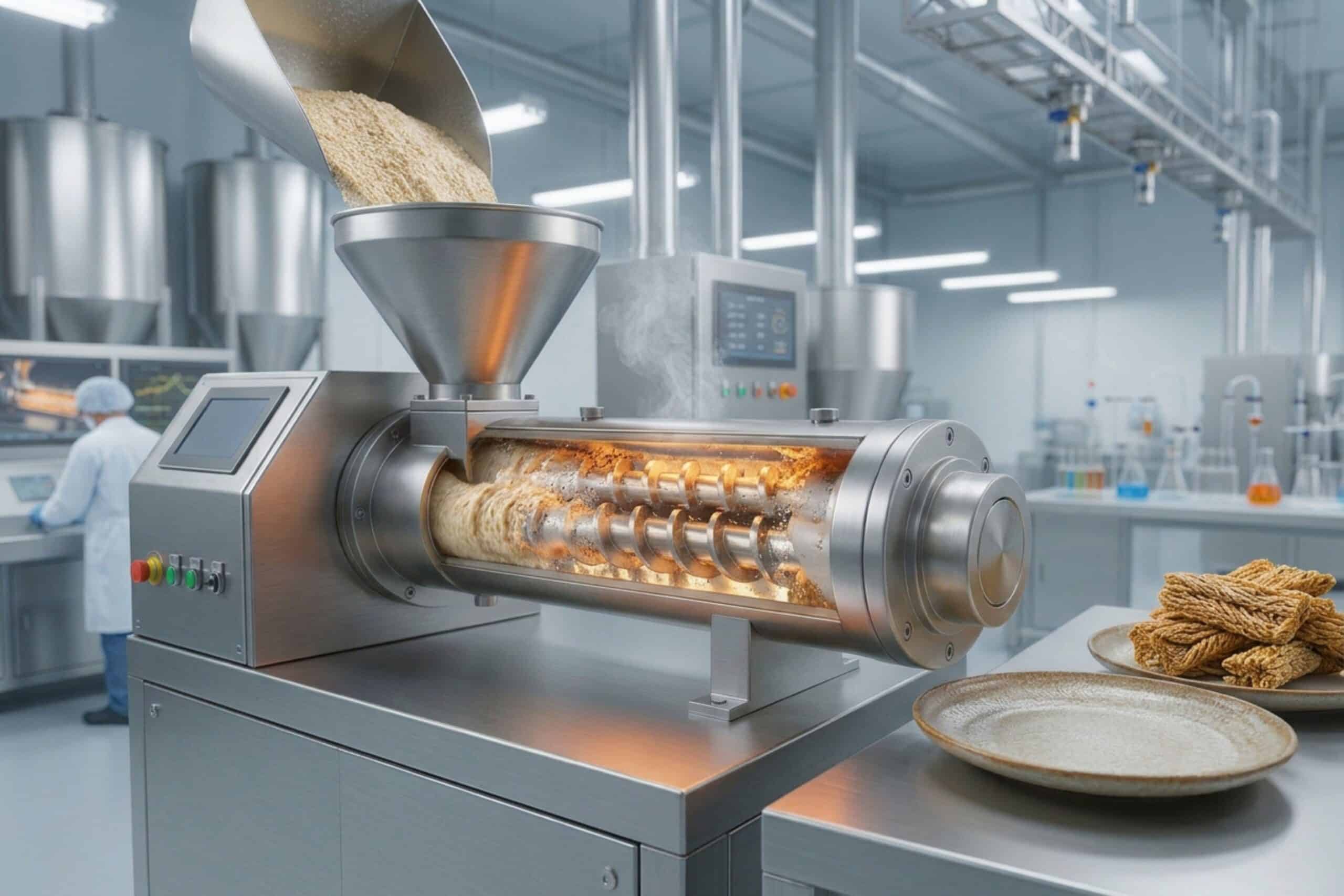
In today’s food industry, innovation is no longer based solely on selecting high-quality raw materials, but on maximising their technological potential. At Molendum, we view extrusion not merely as a processing method, but as a tool for food materials engineering: a single base flour can be transformed into completely different solutions depending on how the process is designed and controlled.
The unique value of this technology lies in the fact that the end product is not static; it is bespoke, with the production line variables precisely adjusted.
The process determines the structure of the ingredient
During extrusion, the flour is simultaneously subjected to thermal and mechanical energy in the presence of moisture. The interaction between these variables brings about a profound change in the structure of the food matrix, directly affecting the state of the starch (and the proteins present).
The intensity of this treatment directly determines the subsequent properties of the ingredient:
- Its internal physical structure.
- The particle size that can be achieved.
- The texture profile.
- The technological behaviour when the ingredient is incorporated into our customers’ final formulations.
Therefore, extrusion should never be viewed as a rigid or standardised process, but rather as a highly adaptable one. Each parameter of the production line is configured with millimetre precision based on the intended functionality and the requirements of the end application.
Three process approaches for different requirements
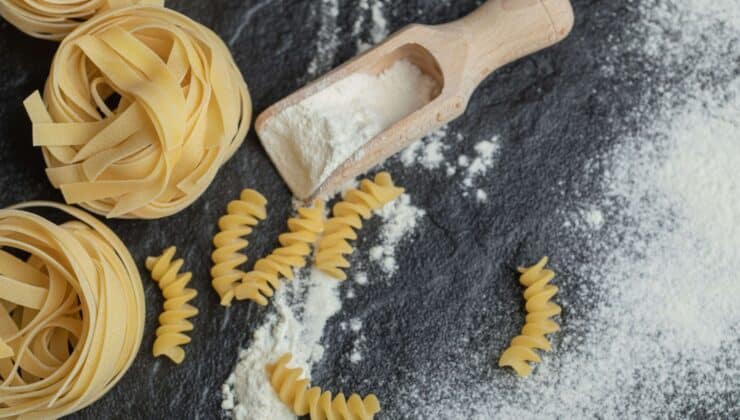
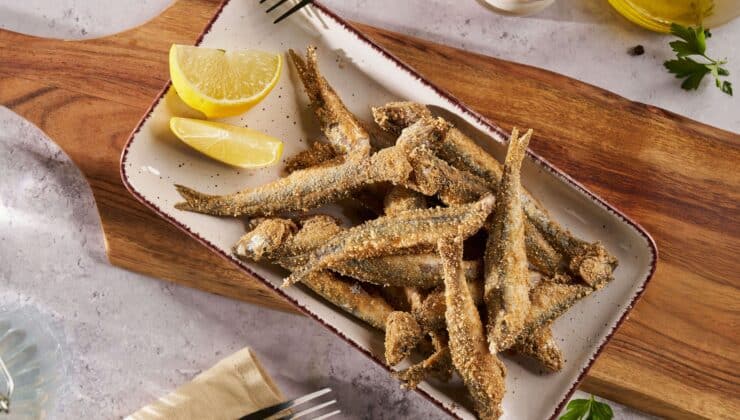
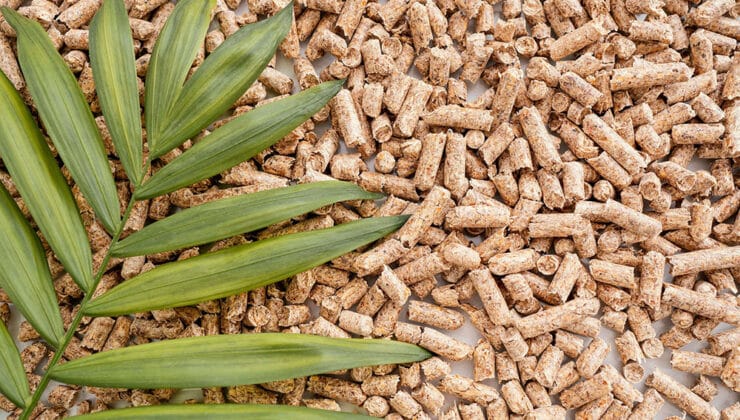
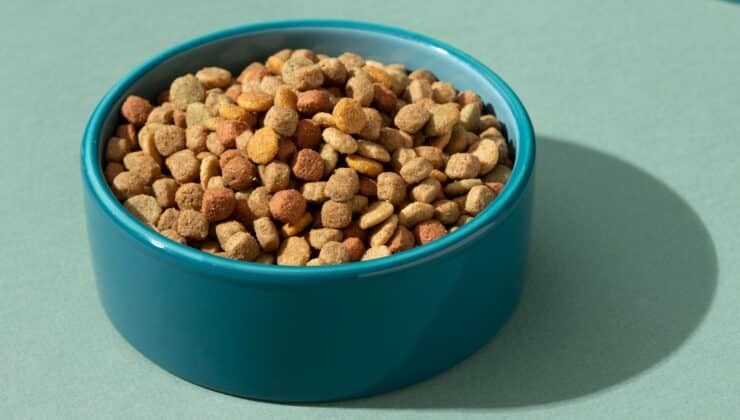
To understand how this versatility translates into industrial practice, we can group extrusion applications into three broad categories, each geared towards specific outcomes:
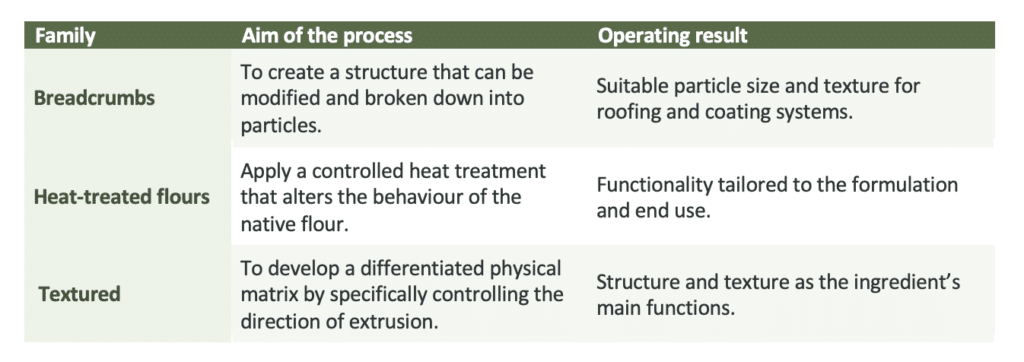
From functional requirements to extrusion conditions
Any development project at Molendum follows a logical approach that is the reverse of the traditional process: it always starts with the end application.
The roadmap is based on key questions:
- Do we need a specific particle size for coating systems?
- Are we looking for a flour with different properties to its native form?
- Or do we require a textured structure with a specific bite?
Based on these application requirements, we select the ideal raw material and tailor the critical extrusion parameters. This approach allows us to directly link the process, structure and functionality, avoiding the treatment of extrusion as a simple, isolated operation and ensuring the success of the final product.
Raw material + thermal and mechanical energy + moisture = structure and functionality
What exact functionality does your formulation require? At Molendum, we analyse the two-way relationship between the flour, the process and the industrial application to guide your development towards the most suitable and efficient solution.